Solving climate change requires more than just lab technology or government orders. Real, lasting change happens when ordinary people have a direct say in shaping their future. This is why the concept of Living Labs (LLs) has become so critical to SpurUP’s mission.
What Living Labs actually are?
Operating at the intersection of a diverse set of stakeholders, Living Labs bring together public authorities, local communities, knowledge institutions, private actors, and end-users under a “quadruple helix” model of collaboration (Academia, Industry, Public Authorities, and the Civil Society).
In simple terms, Living Labs are real-world testing grounds where scientists, companies, government leaders, and everyday citizens work together to try out and refine new technology before it goes to market (such as testing clean energy tools in a neighborhood or piloting local recycling systems with businesses)
These environments are vital because they serve as trial environments where new technical and digital solutions are integrated, demonstrated, and evaluated in real-world settings. By directly involving the people who design the technologies with those who will use and regulate them, Living Labs bridge the critical gap between industry and governance, minimizing the risks of market introduction and ensuring that solutions respond to actual local complexities.
Our Focus: The Peri-Urban Challenge
While these collaborative open-innovation trials can happen anywhere, the SpurUP project turns its focus specifically toward peri-urban areas: the transitional zones where urban and rural landscapes meet. These zones face unique and intense environmental, social, and governance pressures, characterized by rapid spatial changes and fragmented policy frameworks.
Imagine a farming town on the edge of a big city where green fields are quickly turning into housing tracts and highways. City leaders want to build, farmers want to protect their land, and new families just want decent roads, creating a competing priorities over land use.
Because peri-urban zones serve as critical buffers and economic engines for our cities, their successful transition is absolutely essential to the overall decarbonization and climate-neutrality goals of the European Union.
Real-World Innovations in Action
To bridge the gap between technical innovation and real-world policy, SpurUP implements its framework through a coordinated, three tier strategy approach: first tier in the Living Labs; the second tier engages replication sites who follow closely the living labs and the third tier focuses on scaling and replicating successful solutions across additional regions and local authorities in Europe and globally.
Our Living Labs
SpurUP is developing technical & digital solutions designed to simplify the complexities of climate-neutral development. These tools will empower users to make smarter, faster, and more sustainable decisions.
Co-Creating with Communities - the Heart of the Living Labs: Reaching Stakeholders in Practise
To ensure that these technologies truly serve local populations, they must be aligned with social, regulatory, and administrative realities. This is where the SpurUP Participatory Innovation Space (PIS) comes in: an umbrella structure hosting co-design, co-creation, and validation activities within the Living Labs.
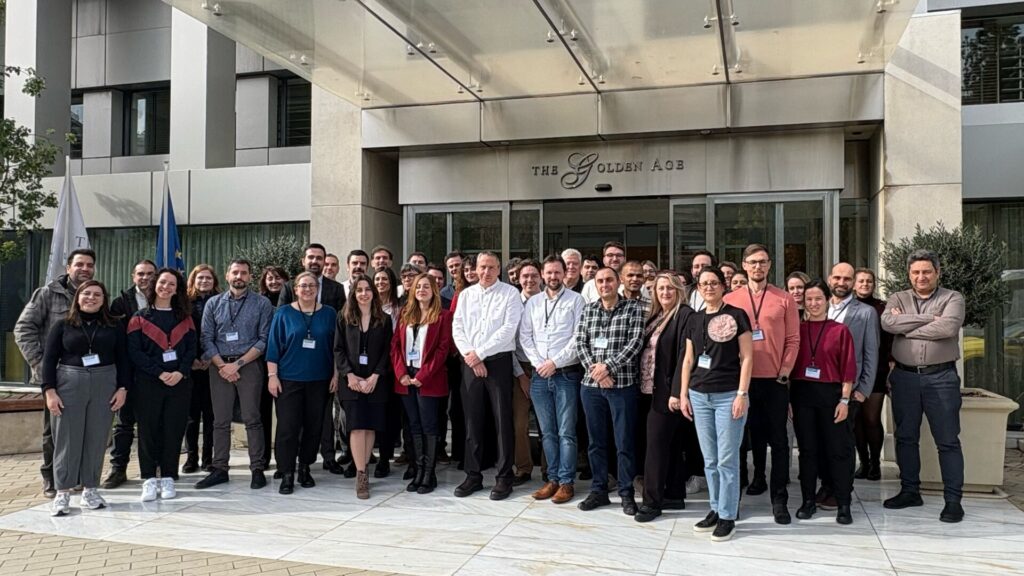
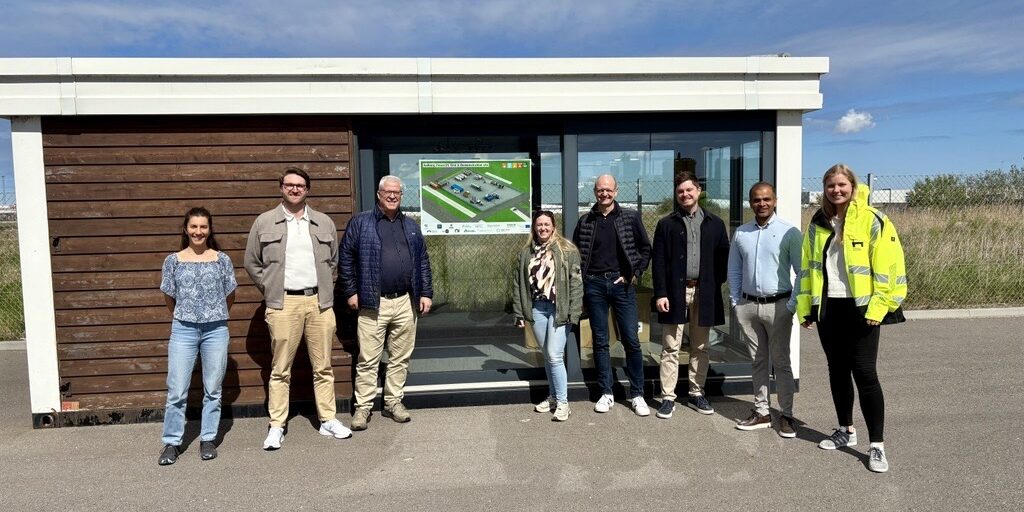
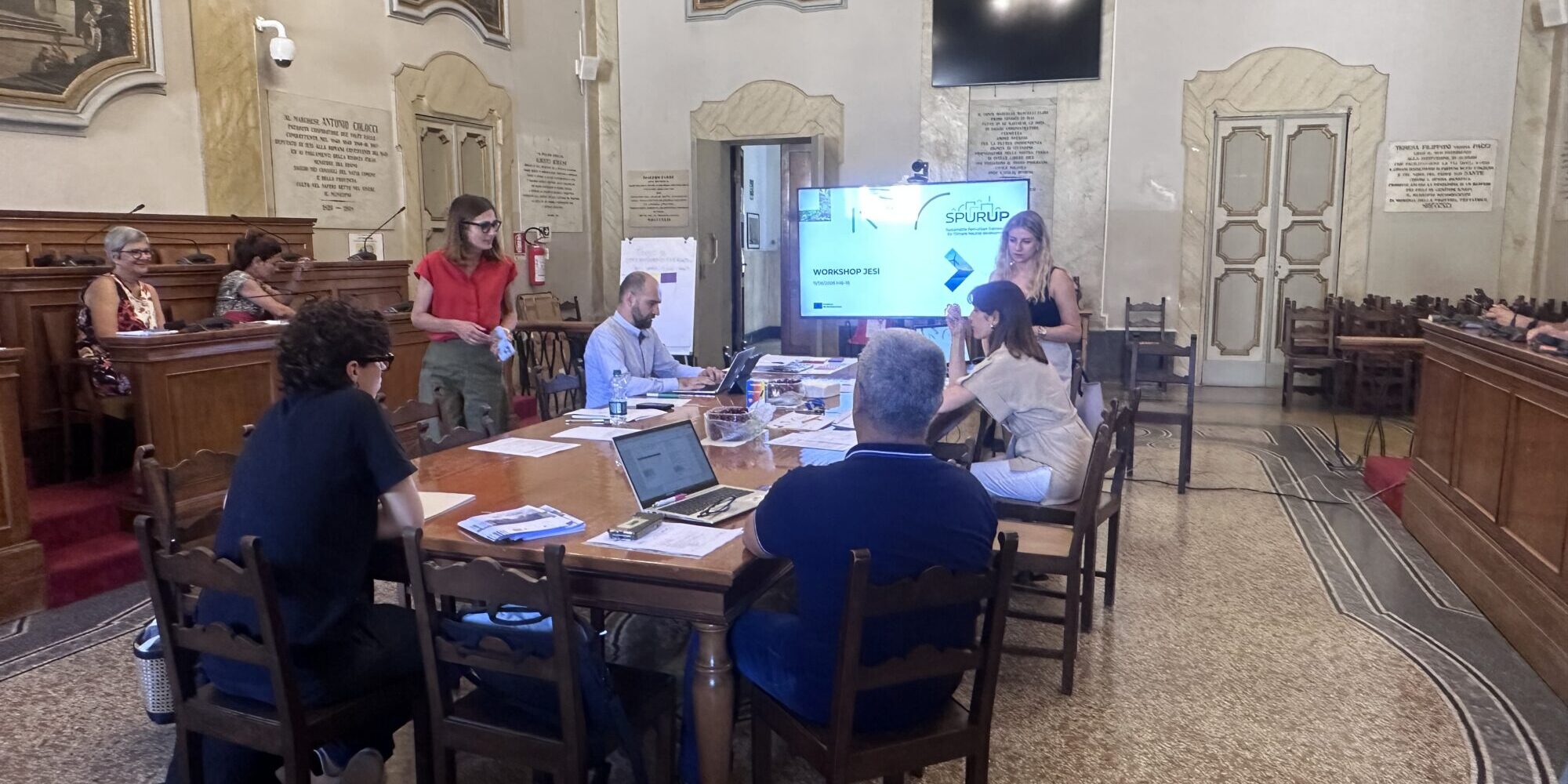
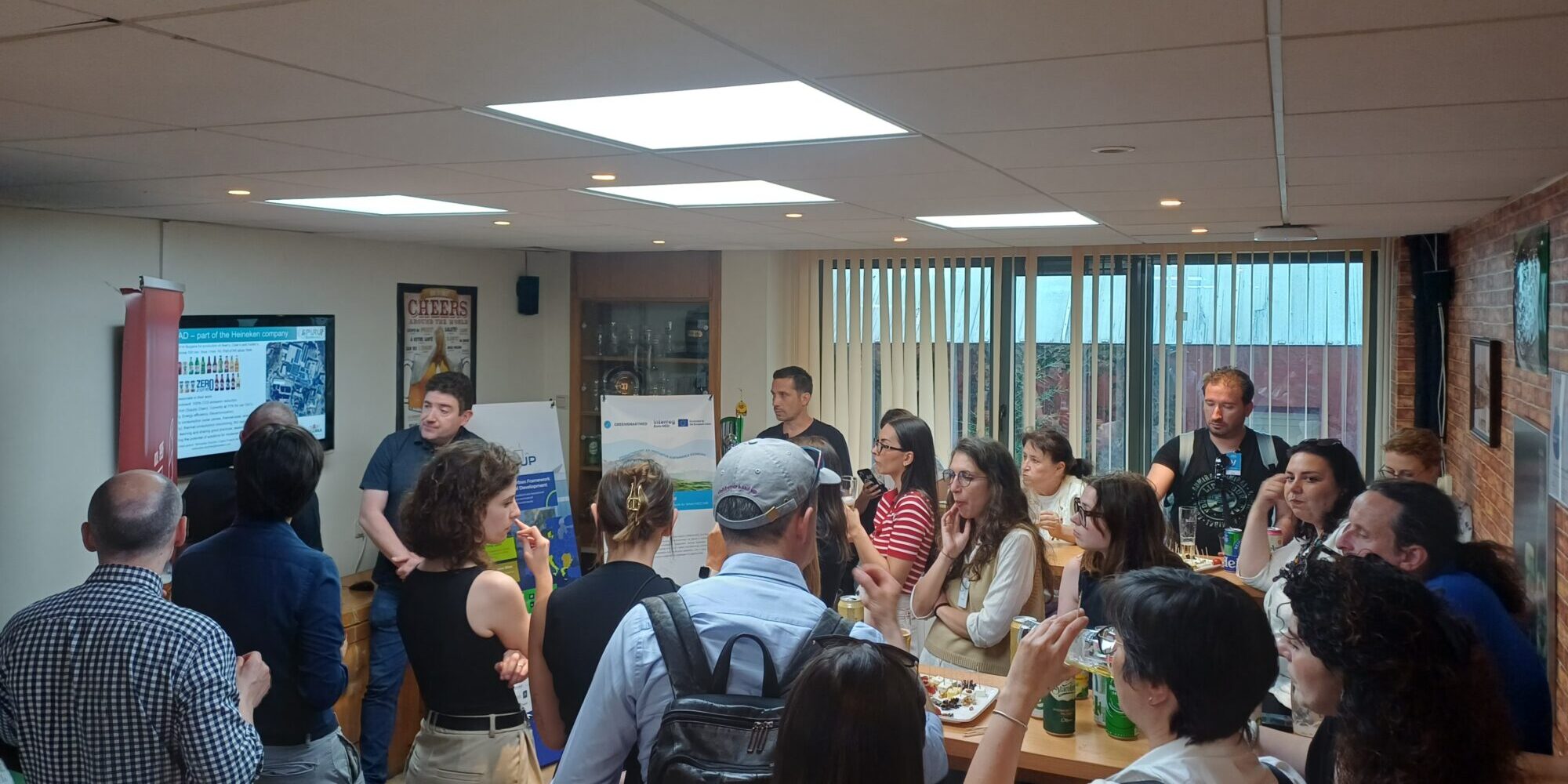
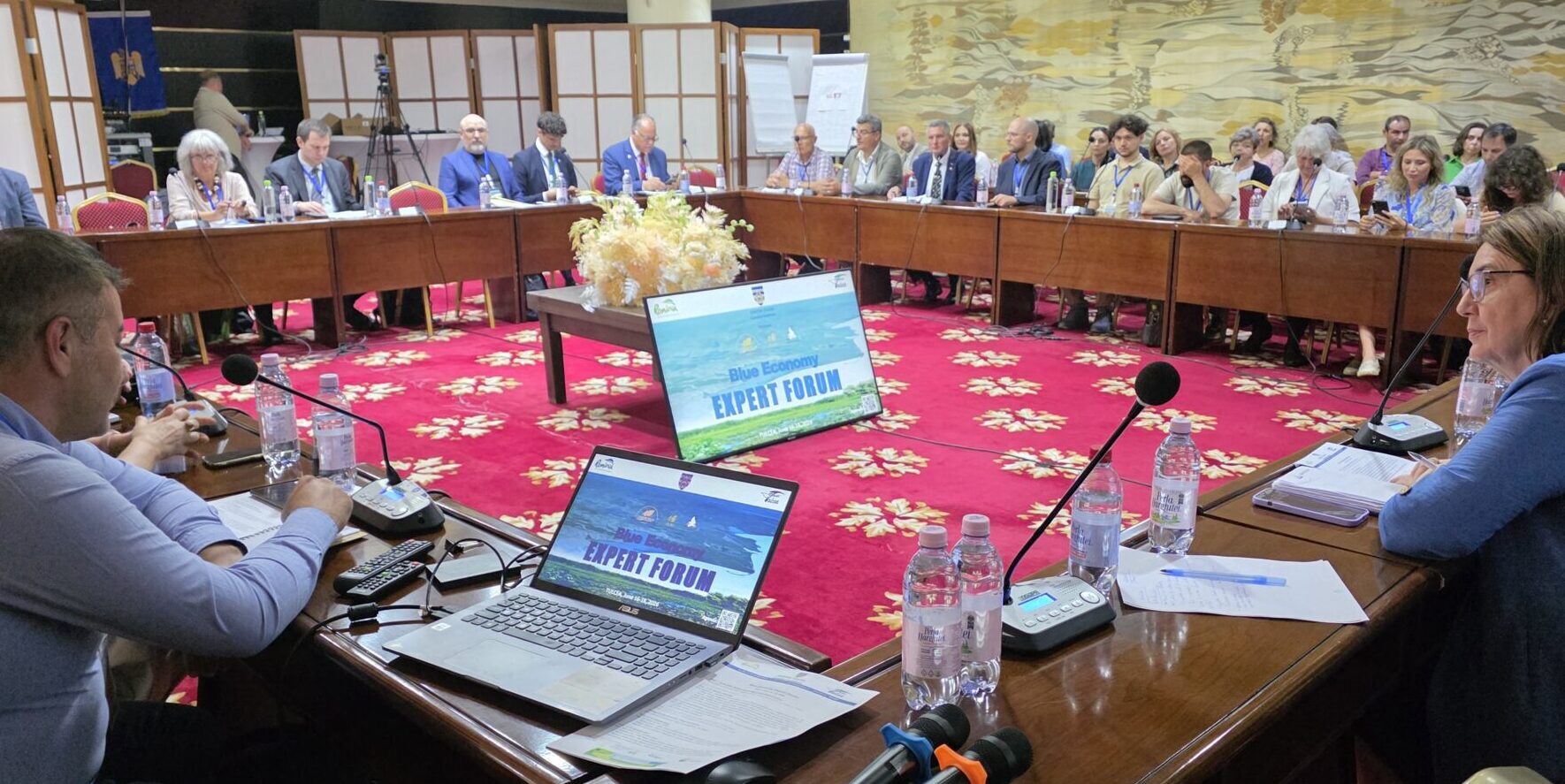
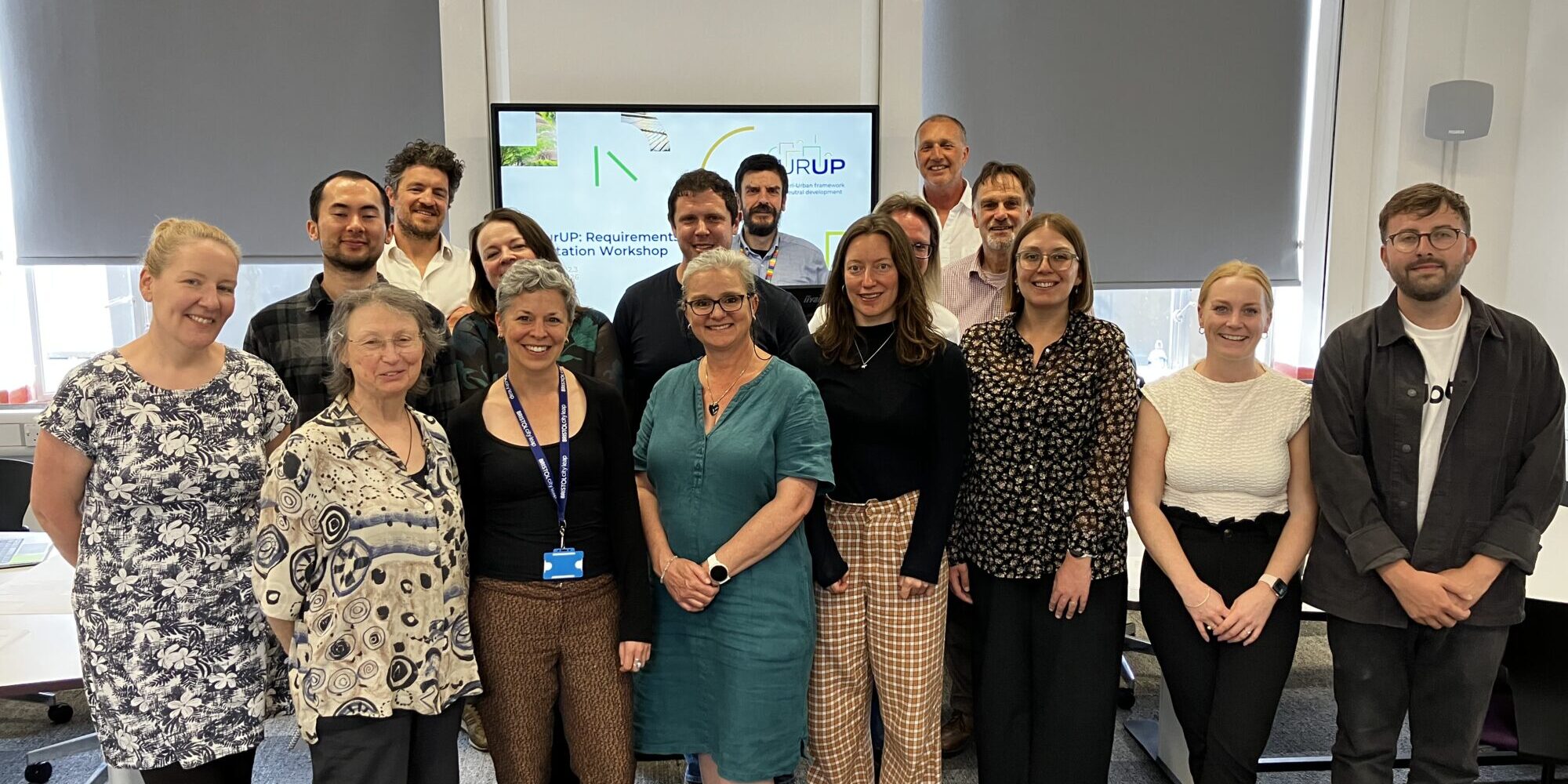
To kickstart this engagement, we conducted a series of Requirements Elicitation Workshops during the first six months of the project to gather technical, regulatory, operational, digital, and social requirements directly from local actors. These workshops represented the first concrete activation of our participatory governance framework:
Replication and Future Impact
By bridging technology with Living Labs participatory governance, the SpurUP project is not just building isolated pilot programs; we are establishing a scalable roadmap for sustainable peri-urban development across Europe. Our immediate focus is on the concrete development, integration, and refinement of our 15 technical and digital solutions right now in the active pilot phase, ensuring they are robust and optimized for real-world deployment.
The lessons learned and data validated in our Living Labs will be operationalised into the SpurUP Peri-Urban Sustainability Handbook (SpurUP PUSH), a dynamic, ready-to-use digital repository designed to empower cities globally to transition toward climate neutrality.
By 2030, we aim for:
- An overall 30% reduction in greenhouse gas emissions across our pilot sites.
- A 25% improvement in industrial energy efficiency.
- A 30% increase in the deployment of net-zero technologies.
- The formalization of 6 new Local Green Deals uniting municipal authorities, local businesses, and citizens.
By actively supporting the EU Mission for Climate-Neutral and Smart Cities, the SpurUP consortium is proving that through democratic collaboration, innovative technical infrastructure, and smart digital systems, we can turn the challenges of our peri-urban fringes into resilient, net-zero opportunities for a greener Europe.